
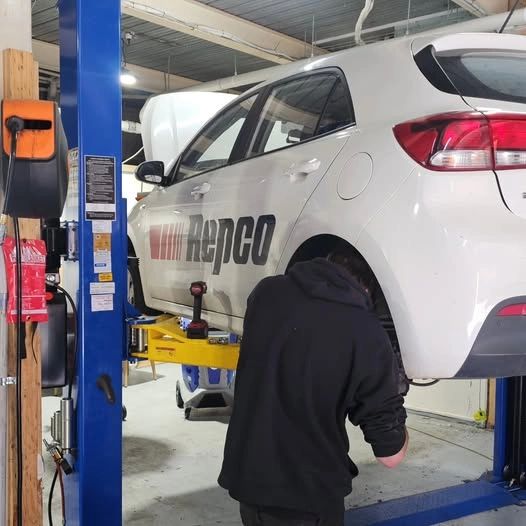
Cold-Start Problems in Canberra Winter — What Is Normal and What Is Not
Cold-Start Problems in Canberra Winter — What Is Normal and What Is Not
It is 6:30am. It is -4°C. You turn the key and your car does something it does not do in summer. Maybe it cranks slowly. Maybe it takes two attempts to start. Maybe it idles roughly for the first minute. Maybe there is a noise you have not heard before.
Canberra winters produce more "is this normal?" calls to mechanics than any other time of year. The answer is: some of it is completely normal, some of it is worth watching, and some of it means you should not drive the car until it has been checked.
Here is how to tell the difference.
What Is Normal on a Cold Canberra Morning
Slow or laboured cranking on the first start
On a very cold morning — below -3°C — you may notice the engine cranks more slowly than usual before it fires. This is normal to a degree. Cold engine oil is thicker and harder to turn over, and cold batteries deliver less cranking power. A healthy battery and a well-maintained engine should still start within a few seconds, even in the cold.
When it becomes a problem: If the cranking is so slow it sounds like the battery is about to give up, or if the engine does not start within 3–4 seconds of cranking, the battery is likely marginal. Have it load-tested.
Rough idle for the first 1–2 minutes
A cold engine runs on a richer fuel mixture until it reaches operating temperature. This can cause a slightly rough or lumpy idle for the first minute or two, particularly on older vehicles. Modern fuel-injected engines manage this well, but some roughness in the first 60–90 seconds is not unusual.
When it becomes a problem: If the rough idle persists beyond 2–3 minutes, or if the engine is misfiring (a distinct stumble or shudder rather than just a slightly uneven idle), there is likely a fault — a failing coil, a fouled plug, or a sensor issue.
White smoke from the exhaust on startup
On a cold morning, white vapour from the exhaust for the first minute or two is completely normal. It is water vapour — condensation in the exhaust system burning off as the system heats up. It disappears once the exhaust is warm.
When it becomes a problem: White smoke that persists after the engine has warmed up, or that is thick and sweet-smelling, indicates coolant entering the combustion chamber — a head gasket issue. This is a serious fault. Do not continue driving.
Brake grinding for the first few stops
Surface rust forms on brake rotors overnight, particularly in cold, damp conditions. The first few brake applications in the morning may produce a brief grinding or scraping sound as the rust is cleared from the rotor face. This is normal and harmless — it clears within a kilometre.
When it becomes a problem: If the grinding persists after the car has warmed up and you have made several stops, the cause is worn brake pads or damaged rotors, not surface rust.
Heater taking longer to produce warm air
On a very cold morning, the engine takes longer to reach operating temperature — and the heater only produces warm air once the coolant is hot. In -5°C conditions, you may be driving for 3–4 minutes before the heater starts producing genuinely warm air. This is normal.
When it becomes a problem: If the heater never produces warm air, or if it takes 10+ minutes even after the temperature gauge has reached normal, the thermostat may be stuck open — a common fault that also hurts fuel economy.
Warning Signs That Need Attention
Battery clicking but not cranking
A rapid clicking sound when you turn the key — but the engine does not crank — is the classic sign of a battery that does not have enough power to operate the starter motor. The solenoid is clicking but the starter cannot turn. This is a battery failure, not a starter motor failure in most cases.
What to do: Jump-start the car and drive directly to a workshop for a battery load test. Do not just charge the battery and hope — a battery that has failed this way is at the end of its life.
Engine cranks but will not start — no fuel smell
If the engine cranks at normal speed but will not fire, and there is no smell of fuel, the fuel system is not delivering fuel. On a cold morning, this can be caused by a failing fuel pump (particularly on high-km vehicles), a blocked fuel filter, or a failed fuel pressure regulator.
What to do: Do not crank repeatedly — this can flood the engine or damage the starter motor. Have the car towed to a workshop for diagnosis.
Misfiring that does not clear after warm-up
A misfire that persists after the engine has reached operating temperature is a fault, not a cold-start characteristic. Common causes in winter: a failing ignition coil (cold temperatures stress coil insulation), a fouled spark plug, or a fuel injector issue.
What to do: Book a diagnostic scan. A misfire code will identify which cylinder is affected and guide the diagnosis. Do not ignore a persistent misfire — it can damage the catalytic converter.
Oil pressure warning light on startup
The oil pressure warning light should go out within 1–2 seconds of the engine starting as oil pressure builds. If it stays on for longer, or if it flickers during the first minute of running, there is a concern — either low oil level, a failing oil pump, or (on high-km engines) worn bearings that are not building pressure quickly enough in cold oil.
What to do: Stop the engine immediately if the light stays on. Check the oil level. If the level is correct and the light remains on, do not drive the car — have it towed.
Coolant warning light or temperature spike on startup
The coolant temperature gauge should rise gradually from cold to normal operating temperature over the first 5–10 minutes of driving. If the temperature gauge spikes to hot within the first few minutes, or if the coolant warning light comes on, stop the engine immediately.
What to do: Allow the engine to cool completely before opening the bonnet. Check the coolant level in the overflow reservoir. If it is low, there is a leak or a head gasket issue. Do not add cold water to a hot engine. Have the car towed.
The Cold-Start Checklist — What to Do Every Morning
1. Listen to the crank. Does it sound strong and fast, or slow and laboured? A slow crank is a battery warning.
2. Watch the warning lights. All warning lights should go out within 2–3 seconds of starting. Oil pressure and battery lights that stay on need immediate attention.
3. Note the idle. A brief rough idle is normal. A persistent misfire is not.
4. Watch the exhaust. White vapour for the first minute is normal. Persistent white smoke is not.
5. Feel the brakes. Brief grinding on the first stop is normal. Persistent grinding is not.
When to Book It In
- Book this week:
- Battery cranking slowly or taking multiple attempts to start
- Misfire that persists after warm-up
- Heater not producing warm air after the temperature gauge reaches normal
- Any warning light that stays on after startup
- Book today:
- Battery clicking but not cranking
- Oil pressure warning light staying on
- Coolant temperature spiking on startup
- Persistent white smoke after warm-up
SAE Automotive — Mitchell, Canberra
We diagnose cold-start faults every day through the Canberra winter. If your car is doing something on cold mornings that it does not do in summer, call us on (02) 6242 4100 or book online. We are in Mitchell, open Monday to Friday.
A cold-start fault that is caught early is almost always a straightforward repair. Left until the car will not start at all, it becomes a tow truck call on a -5°C morning.
Related reading: Mid-Winter Car Guide for Canberra July 2026 | Canberra Fuel Prices July 2026 | VF Commodore Alternator Drain Case Study
Need a service in Canberra?
SAE Automotive in Mitchell — honest work, transparent pricing.
FREE ONLINE QUOTE